2nd semester
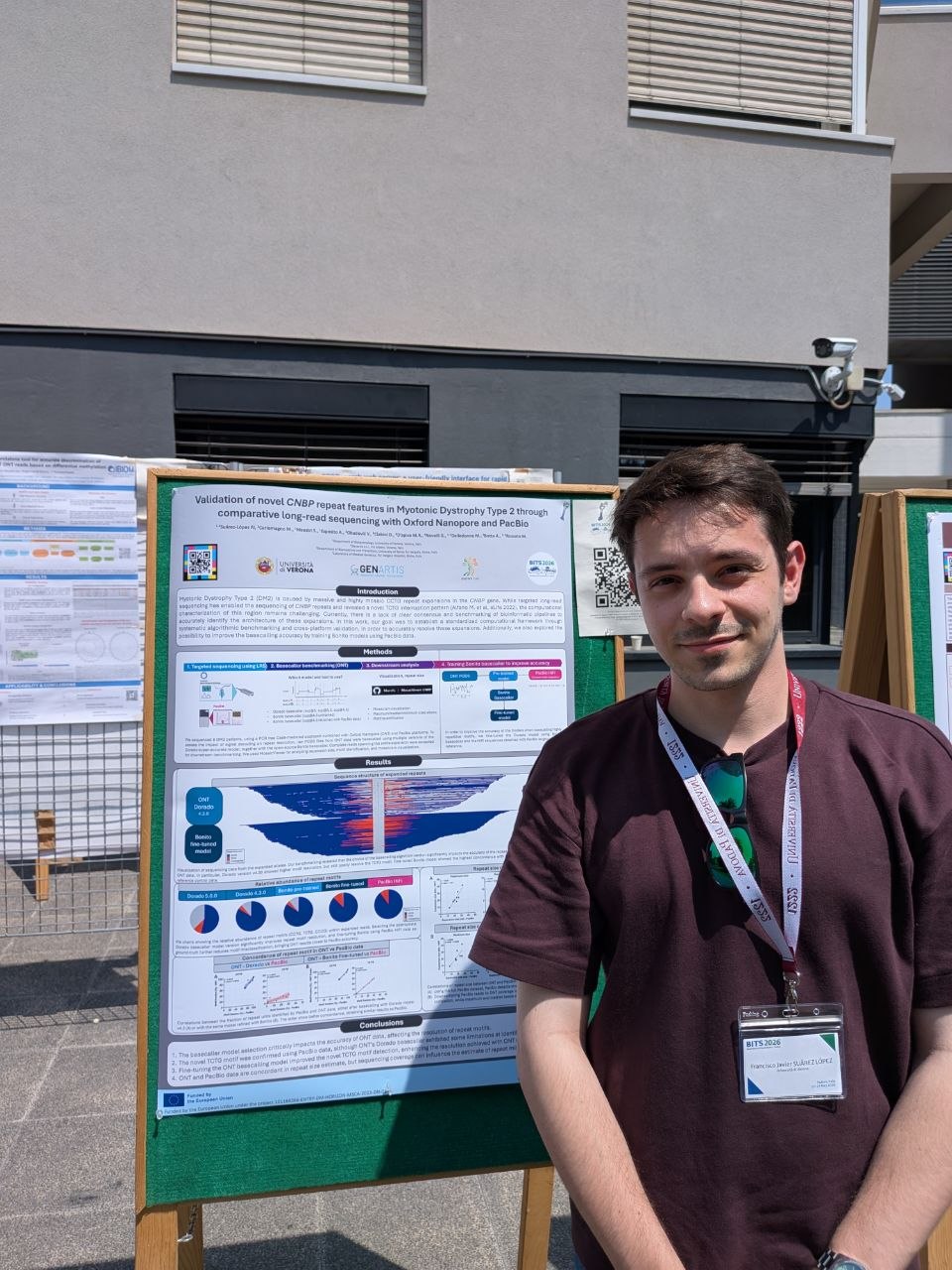
DC1 FRANCISCO JAVIER SUÁREZ LÓPEZ (GENAR)
March 2026; Development of a preliminar pipeline for basecaller fine-tuning using the Bonito tool from Oxford Nanopore, together with initial tests aimed at improving DM2 basecalling. These tests were carried out on single individuals to verify that the pipeline performed as intended.
April 2026: Refinement of the Bonito-based fine-tuning pipeline, confirmation of its correct and unbiased performance, and development of the final leave-one-out (LOO) validation strategy. Comparison of the Bonito fine-tuned pipeline results with ONT data basecalled with the classical Dorado approach and with PacBio data.
May 2026: Preparation of figure and text for the manuscript: "Long-read cross-platform validation reveals novel repeat features in myotonic dystrophy type 2" Exploratory methylation analysis of DM1 samples sequenced with PacBio. Attendance to the 22nd Annual Conference of the Bioinformatics Italian Society.
June 2026: Preparation of figure and text for the manuscript: "Long-read cross-platform validation reveals novel repeat features in myotonic dystrophy type 2" subsequently published on bioRxiv (https://doi.org/10.64898/2026.06.06.730578).
July 2026: Revision of the preprint and preparation of Deliverable D1, "Protocols to characterize DM mutations".
August 2026: Submission of Deliverable D1.1, "Protocols to characterise DM mutations".
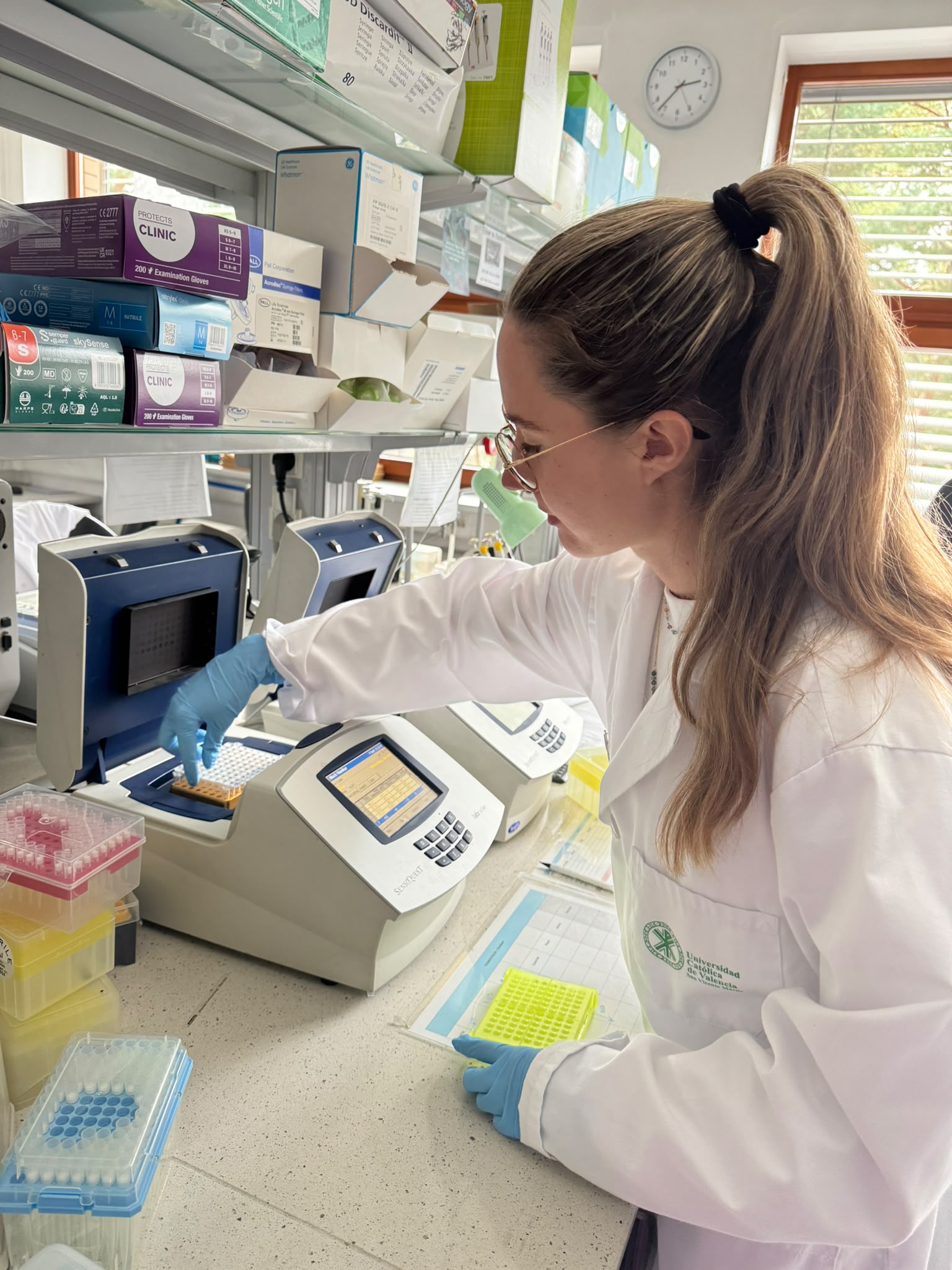
DC6 ÀNGELA NATIVIDAD I MATEU (UVEG)
April 2026; Continue the pilot experiments investigating the TGF-β pathway as a potential regulator of miR-23b levels through pathway stimulation. Complete the pilot experiments investigating the effect of TGF-β pathway silencing on miR-23b levels using siRNA-mediated SMAD3 knockdown in HeLa cells. EASTER BREAK
May 2026: Our manuscript, on which I am co-first author with DC9, “The myotonic dystrophy type 1 drug development pipeline: 2026 Edition” was accepted and published in Drug Discovery Today. I attended the International Myotonic Dystrophy Consortium (IDMC-15) in Saguenay (Quebec, Canada), where I presented the poster: Characterization of the Myotonic Dystrophy type 2 miRNome and Therapeutic Innovation, Clinical Trial Acceleration, and Lifestyle Interventions in Myotonic Dystrophy Type 1: A Systematic Review (co- authored with DC9) I initiated the preliminary experiments for my first secondment, aimed at assessing whether the construct to be used during the secondment responds to anti-miR-23b treatment. We obtained new DM2 muscle biopsy samples, which were processed for small RNA-seq and mRNA-seq analyses. I completed pilot experiments investigating the stimulation of the TGF-β pathway as a potential regulator of miR-23b levels.
June 2026: Completed the preliminary experiments for my first secondment. The results were positive, as the construct showed a response to anti-miR-23b treatment 48 hours after co-transfection. Technical issues arose during the experiments involving TGF-β pathway stimulation and SMAD3 silencing. Troubleshooting experiments were subsequently performed to identify and address the underlying issues.
July 2026: We initiated the preparation of a second manuscript focusing on the transcriptomic and miRNome profiles of DM2. I attended the BIOTECMED Institute Annual Meeting, where I presented the poster: Characterization of the Myotonic Dystrophy type 2 miRNome Completed the experiments investigating SMAD3 silencing using siRNAs as a potential modulator of miR-23b activity. Completed an additional activity and toxicity pilot assay to assess the effects of TGF-β pathway stimulation.
August 2026: SUMMER BREAK
September 2026: I arrived in Poznań, Poland, to begin my first secondment. I attended an online training session within the ENTRY-DM network covering therapeutic biomarkers and clinical trials in myotonic dystrophy, as well as career perspectives from former PhD students.
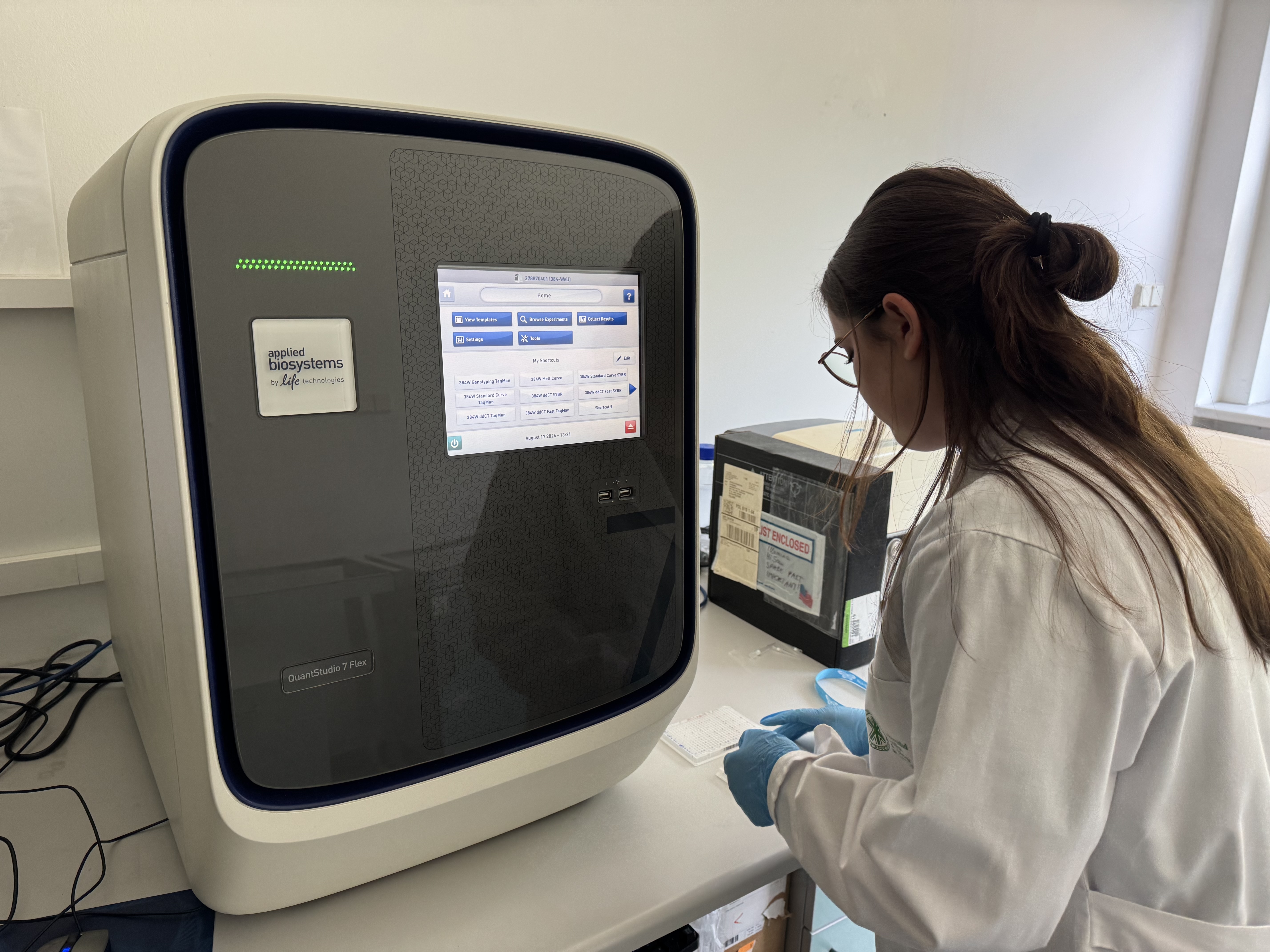
DC8 Mireia Gromaz (AMU)
April 2026; I continued the experimental work by performing qPCR and alternative splicing analyses to evaluate the effects of the first two ASOs tested in the project.
May 2026: I refined and repeated the experiments and analysed the results in preparation for the poster presented at the International Myotonic Dystrophy Consortium (IDMC) meeting at the end of May.
June 2026: I completed the remaining courses of the doctoral training programme and participated in the PhD Forum organised by the Doctoral School. In parallel, I tested four newly designed ASOs in fibroblasts and performed a transfection experiment in a DMPK-transgenic cell line developed in the host laboratory to further evaluate ASO activity.
July 2026: I was on annual leave in Spain during this month. I also completed the annual progress report required by the Doctoral School.
August 2026: I repeated the experiments with the four newly designed ASOs and performed RT-PCR, alternative splicing analysis and qPCR to evaluate their effects. I also established cell banks from two of the requested control fibroblast cell lines.
September 2026: I am currently continuing the analysis of the transfection experiments performed during the summer, including experiments in the DMPK-transgenic cell line and in fibroblasts treated with the newly designed ASOs. Additional experiments and repetitions are being performed to further validate the results.
DC5 Sofia GASPARI (RUMC)
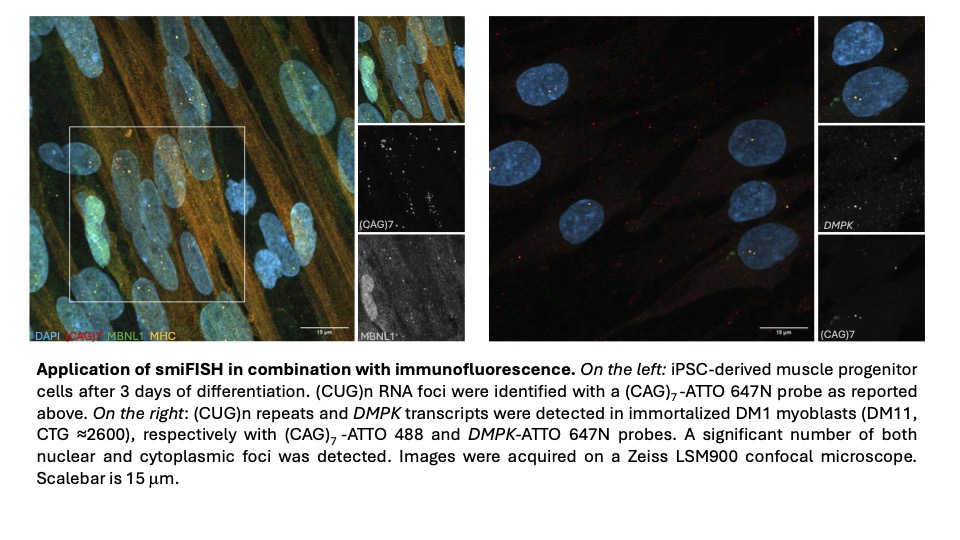
April 2026; I performed experiments previously planned: smiFISH, IFA and plasmid purification. I imaged and analysed the results from these experiments. I attended the course “Literature review for PhD students”.
May 2026: I continued to image the samples from April’s experiments. I worked and completed the poster for IDMC15. Together with the other DCs, we had the Midterm check of our ENTRY-DM project with the EU officer. At the end of the month, we attended IDMC15 in Canada.
June 2026: I started a trial experiment for live imaging, and continued with previous experiments’ sample imaging and analysis. Prepared for the lab’s journal club.
July 2026: I attended interviews for the new PhD position in our lab. I started to planning the experiments and the material to bring with me during my secondment in Valencia. I continued to analyse data. Summer holidays.
August 2026: I received DM2 cell lines from DC13 (LMU): I started to culture them, fix them and made some coverslips for FSIH+IFA and imaging. I set up the schedule for the experiments to perform in Valencia for my secondment, and I prepared all the materials to bring there with me. Submission of the Milestone report (WP1) for ENTRY-DM.
September 2026: I had a checkpoint meeting with my PhD supervision team (Radboudumc) for the end of my first year. I started my secondment in Valencia, where I will test the effect on foci dynamics after the upregulation of MBNL1 protein levels with antimirna treatments. In the first weeks, I settled in the lab and started the experimental work with a toxicity test, to assess the right concentration of the compound on my cell lines. I performed an activity assay as well, to evaluate the scale of the upregulation of MBNL1 at protein level after the treatment.
DC11 Vasilina Gavra (INSERM)
April 2026:
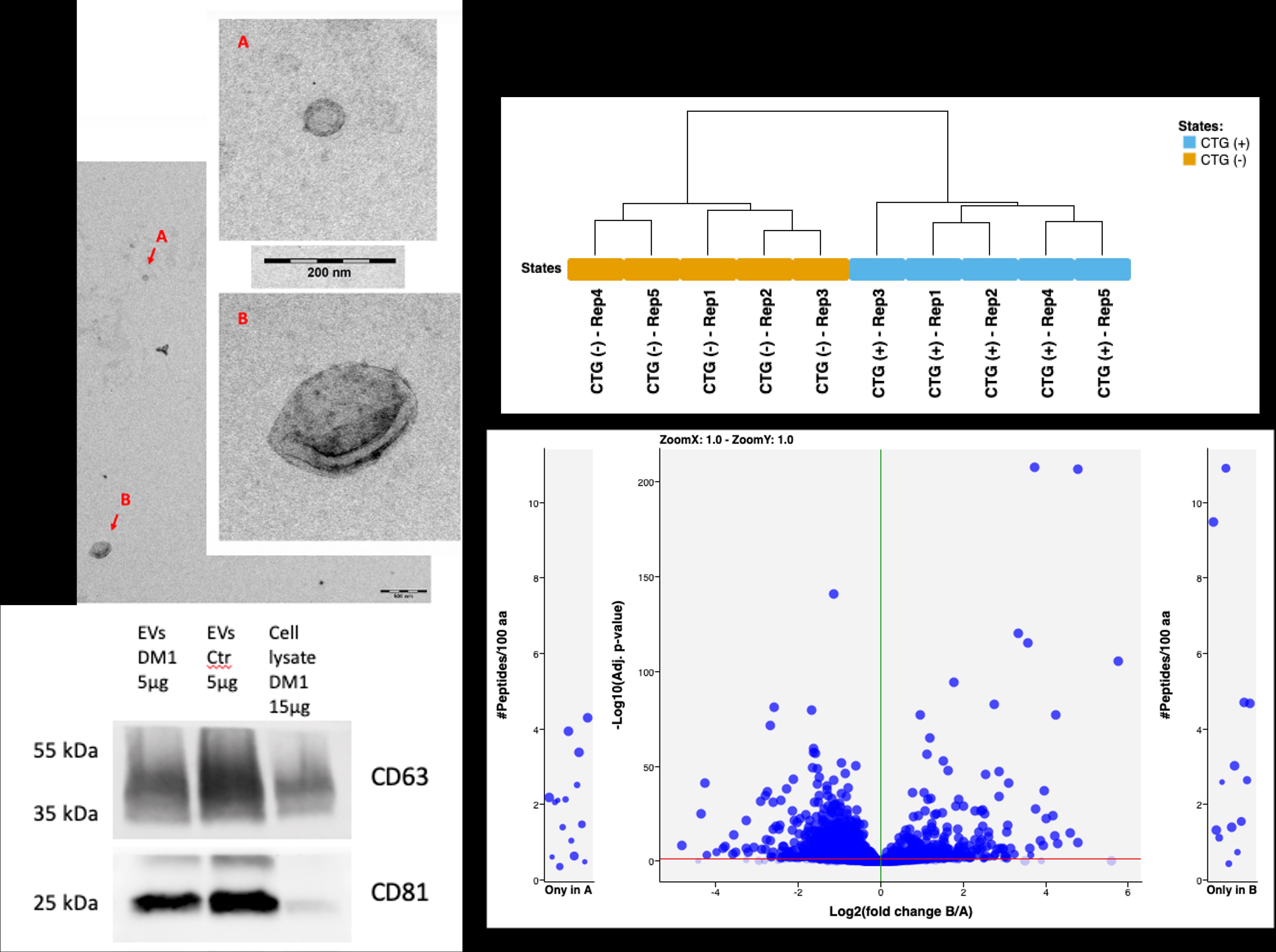
• Continued cell culture for EV isolation using the optimized differentiation protocol established after previous troubleshooting.
• Performed Western blot analyses to assess EV marker enrichment and sample purity.
May 2026:
• Presented my PhD project objectives and progress during the ENTRY-DM Mid-Term Check with the European Commission Project Officer.
• Attended the IDMC-15 Myotonic Dystrophy conference in Québec, Canada, where I interacted for the first time with the international DM research community, established new scientific connections, and contributed to promoting the ENTRY-DM network together with the other DCs.
• Performed additional quality-control assessments with the proteomics platform and finalized the experimental conditions for EV sample preparation for downstream multi-omics analyses.
June 2026:
• Prepared my first-year PhD review and presented my project objectives, experimental strategy, and preliminary results during my first three-member CSI committee meeting.
• Completed a Python course focused on data analysis.
• Planned a large-scale EV production experiment in collaboration with the Institut Curie EV Platform to generate five independent biological replicates for proteomic analysis.
July 2026:
• Generated five independent biological EV replicates from DM1 muscle cells and their isogenic controls.
• Quantified the EV preparations and prepared aliquots for proteomic analysis.
• Fully characterized the five replicates by NanoFCM for particle concentration and size distribution, transmission electron microscopy for EV morphology, and Western blotting for EV marker enrichment and sample purity.
August 2026:
• Submitted the EV samples to the Institut Curie Proteomics Platform for mass-spectrometry-based proteomic analysis.
• Initiated a new collaboration with the Swiss Institute of Bioinformatics (SIB), Lausanne, in preparation for the first secondment planned for March 2027 and focused on multi-omics data analysis and integration.
• Started a new online bioinformatics training programme to further develop the computational skills required for the secondment.
September 2026:
• Received the proteomics dataset and performed quality-control analyses, including principal component analysis and hierarchical clustering.
• Conducted differential protein abundance analysis, followed by Gene Ontology, pathway enrichment, and protein–protein interaction network analyses using myProMS, STRING, Cytoscape, and R.
• Identified the first disease-associated proteomic signatures, candidate biomarkers, and pathways for further investigation.
• In parallel, planned and initiated a new series of EV isolations for transcriptomic analysis and subsequent multi-omics integration.
DC7 ANTON SIMÕES (RUMC)
April 2026:
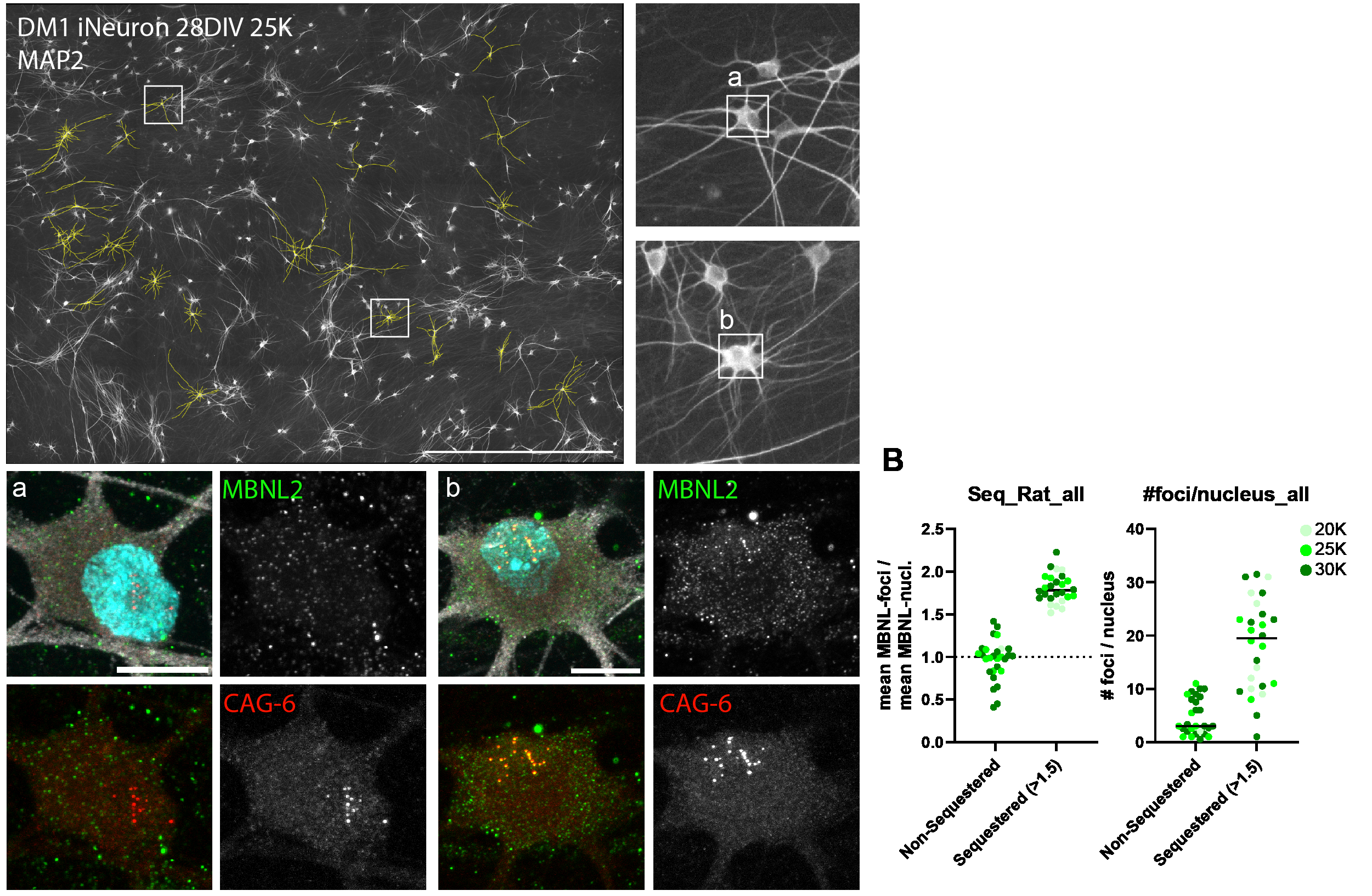
Presented my research at the DM expertise Center (Nijmegen, Maastricht). Continued neuron cultures (RNA extraction, morphological analysis).
May 2026:
Presented my work at the NVHM Retreat. Meeting with ENTRY-DM Project Manager. IDMC-15 Meeting Canada (Poster). Continued work on experiments.
June 2026:
Neuron sequestration/subtype experiments. Started to work with scRNAseq atlas. Sent Project report to training and supervision board (ENTRY-DM).
July 2026:
Continued work on scRNA expression atlas, iNeurons. Started to optimize ASO de3livery to human astrocytes.
August 2026:
Wrapped up cell culture ahead of vacation. Worked on analysing previously generated data and scRNAseq atlas.
September 2026:
I had my yearly checkpoint meeting with my supervisors and external advisor. CRISPR-edited two new patient lines/clones to generate isogenic controls. Started thawing multiple patient lines to generate iNeurons afterwards.
DC12 Panagiotis strevinas (inserm)
April 2026;
Established and maintained primary mouse cortical astrocyte cultures, from DMSXL and WT control littermates.
May 2026:
• Maintained astrocyte cultures for EV collection.
• Optimized tetraspanin protein detection by capillary western blot (Jess), testing different denaturing and reducing conditions. Tetraspanins such as CD63, CD81, CD9 are integral parts of the exosomal membrane and are used as positive markers during EV characterization.
• Isolated EVs from astrocyte-conditioned medium at Institut Curie, followed by characterization and protein quantification.
• Attended the IDMC-15 conference (Québec, Canada). Poster presentation.
June 2026:
• Moved to conventional western blot for EV markers (CD63, CD81, Alix, TSG101; calnexin as negative marker), which allows more flexibility in reducing and denaturing conditions.
• Ran a first pilot proteomic analysis of astrocyte-derived EVs.
• Continued astrocyte cultures.
July 2026:
• Continued astrocyte cultures for the collection of biological replicates of EV prior to proteomics analysis.
• Genotyped cultures, extracted RNA and synthesized cDNA from WT, homozygous and hemizygous DMSXL astrocytes, to identify DM1-relevant splicing events and quantify the extent to which missplicing scales with expanded repeat RNA dosage.
August 2026:
• Expanded the astrocyte culture pipeline, Isolated and characterized EVs.
• Evaluated EV depletion from culture medium by combining commercially available EV-depleted FBS with an additional ultracentrifugation step to minimize contamination from residual serum-derived EVs.
• Reviewed methods for isolating the astrocyte secretome, to enable comparative proteomic profiling of soluble secreted factors and extracellular vesicles, with the aim of identifying complementary biomarkers for disease monitoring and therapeutic response.
• Ran RT-PCR splicing analysis on DMSXL (homozygous and hemizygous) astrocyte cDNA samples.
September 2026:
• Continued the isolation and characterisation of mouse astrocytes EVs.
• Continued RT-PCR splicing analyses to determine the sensitivity of mis-splicing events to toxic RNA dosage
• Tested serum-free medium, using an LDH cytotoxicity assay at several timepoints to assess astrocyte viability during secretome collection.
• Ran pilot secretome collection and concentration experiments to estimate protein yield.
• Attended the 9th meeting of the French Society for Extracellular Vesicles.
• Started semester course on Neurovascular Interfaces at Collège de France, Paris.
• Attended ENTRY-DM training sessions online.
DC3 Timothee Caboche (IBEC)
April 2026;
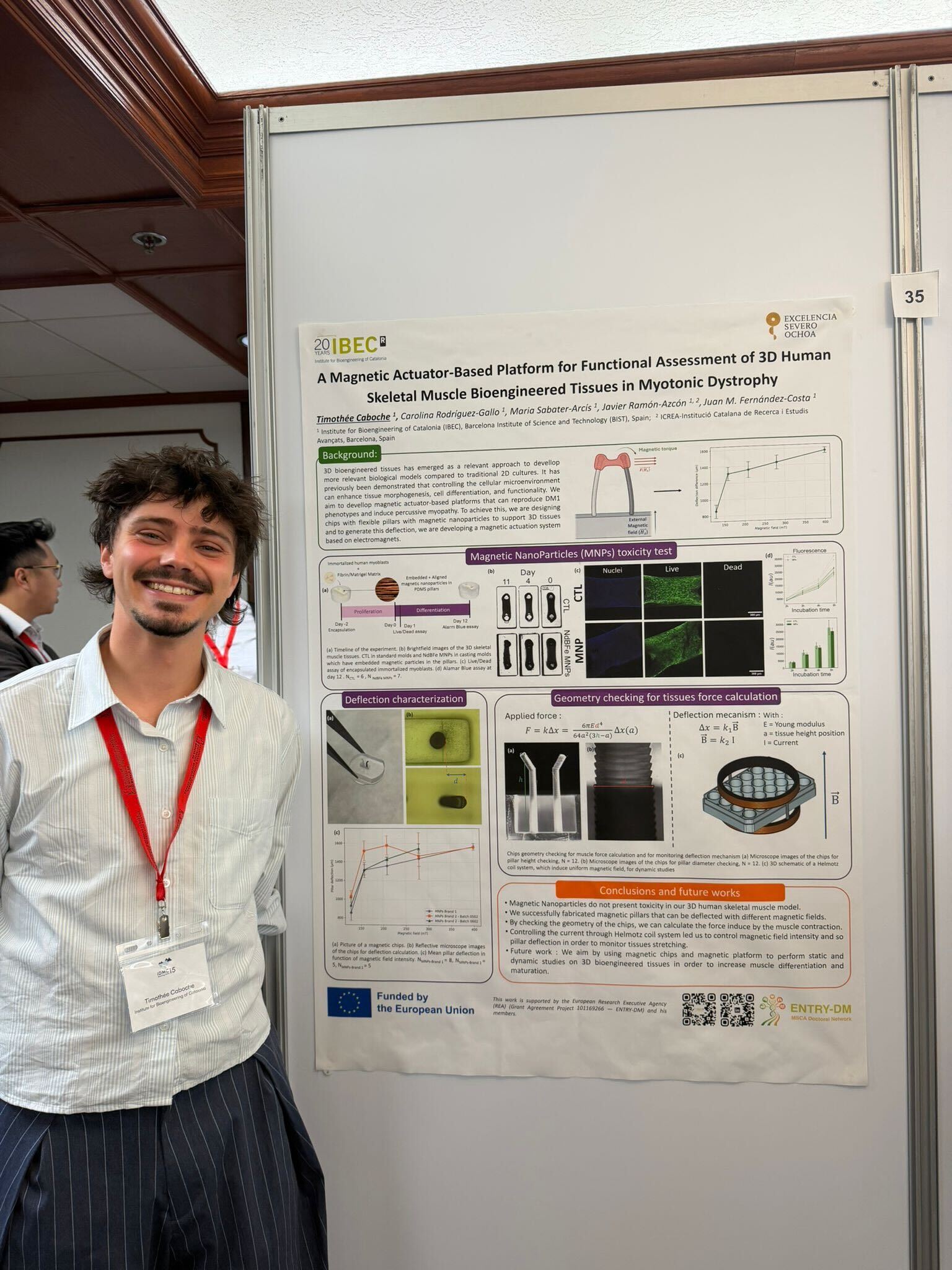
New magnetic chips design: testing new geometries to get nearby common chips used for others experiment in the lab. Cell line amplification for AntiMirs DM1 project: 2 cell line amplified and 3 remains. Magstrecht platform V4 fabrication.
May 2026:
Clear chips fabrication using the 3-news design for checking the geometry and select new design.
Midterm check for ENTRY DM
Group meeting presentation for update.
June 2026:
Magnetic chips fabrication:
•
Improved protocol to avoid variability inti fabrication process.
•
5 different MNPs ratios for selecting which one for different experiment types. (6 chips for each ratio and 2 different batches)
•
Magnetization for each chip in Physics faculty
•
IBEC day participation and networking event
July 2026:
From 2nd to 27th Holiday.
August 2026:
Image analysis about magnetic chips deflection. And select which ratio
5:1 negative replica chip fabrication
120 magnetic chips fabrication using 5:1 PDMS:MNPs ratio for next experiment
Myotonic meeting: Planning for summer.
CNT2 cell expansion for encapsulation
Magstretcht platform V4.1: design improved and two were fabricated.
September 2026:
Encapsulation for Magstrecht:
•
2 encapsulation process: one for 24/7 stretching and another one for 1hour/day stretching. Each with 56 tissues
•
Electrical pulse stimulation for each tissue (2 day in a row)
•
PhD retreat: organization and participation
•
Chip fabrication for DM1 cells encapsulation
•
Cell expansion with DM1 and CNT cell line for testing oligos diffusion in 3D tissues.
•
Encapsulation of for DM1 ATX01 diffusion: 6 CNT tissues + 36 DM1 tissues.
DC9 Yasmine Ferchichi (UVEG)
April 2026;
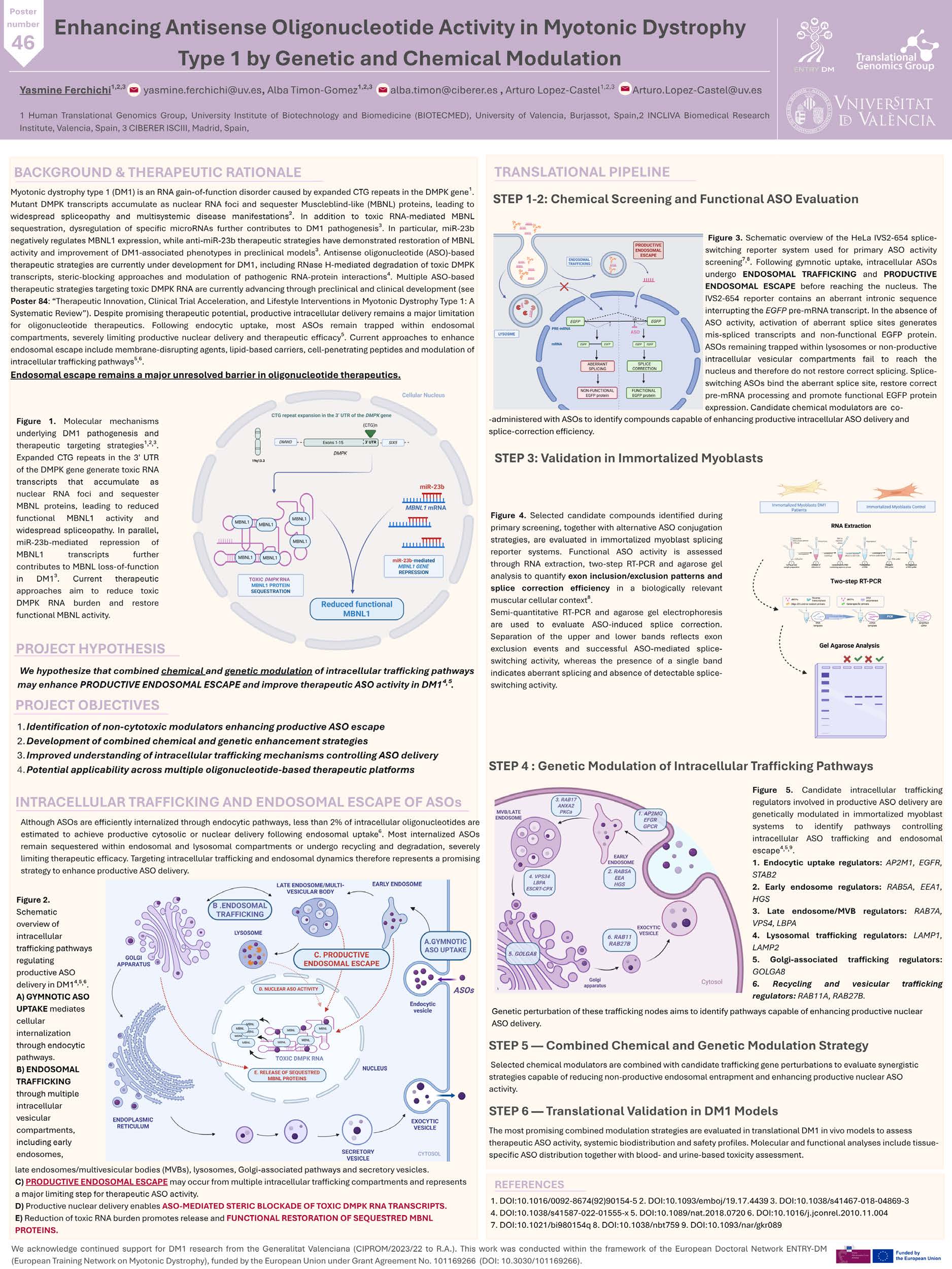
Conducted and optimized the primary screening of a commercial natural-compound library using the HeLa EGFP IVS2-654 reporter system, repeating screening plates to improve data quality and achieve statistically acceptable results across three library plates. Additionally, delivered two seminars in Italy: one to PhD students of the PhD Program in Translational Medicine at Scuola Superiore Sant’Anna (Pisa) and one to MSc students in Applied Biology to Biomedicine at the University of Pisa.
May 2026:
Initiated secondary screening of compounds identified as preliminary hits in the primary screen, while continuing primary screening of some plates left using the HeLa EGFP IVS2-654 reporter system. This parallel approach supported the progression of candidate compounds towards further validation. Additionally, attended the 15th International Myotonic Dystrophy Consortium Meeting (IDMC15) in Saguenay, Canada.
June 2026:
Focused on secondary screening and the individual evaluation of 17 preliminary positive compounds. Began characterizing individual candidates through repeated experimental testing, aiming to assess reproducibility and prioritize compounds for further validation.
July 2026:
Completed the secondary screening and continued evaluating candidate compounds to identify and exclude potential false positives. Additionally, initiated the next phase of the project by ordering eight siRNAs targeting genes involved in endocytic trafficking, with the aim of investigating genetic modulation as a strategy to improve ASO cellular internalization and productive endosomal escape.
August 2026:
Conducted literature research and began developing the experimental protocol for siRNA-mediated gene knockdown. Ordered the corresponding primer pairs for RT-qPCR analysis to validate primer performance and quantify target-gene knockdown, alongside establishing the cell-treatment conditions for subsequent experiments.
September 2026:
Presented the progress of the project during a laboratory meeting, summarizing the screening results obtained to date and discussing the next experimental steps with colleagues. Exchanged ideas and received feedback to further optimize experimental protocols and refine the strategy for validating candidate compounds and implementing siRNA-mediated gene knockdown.
DC10 Valeriia Gorbunova (CSIC)
May 2026;
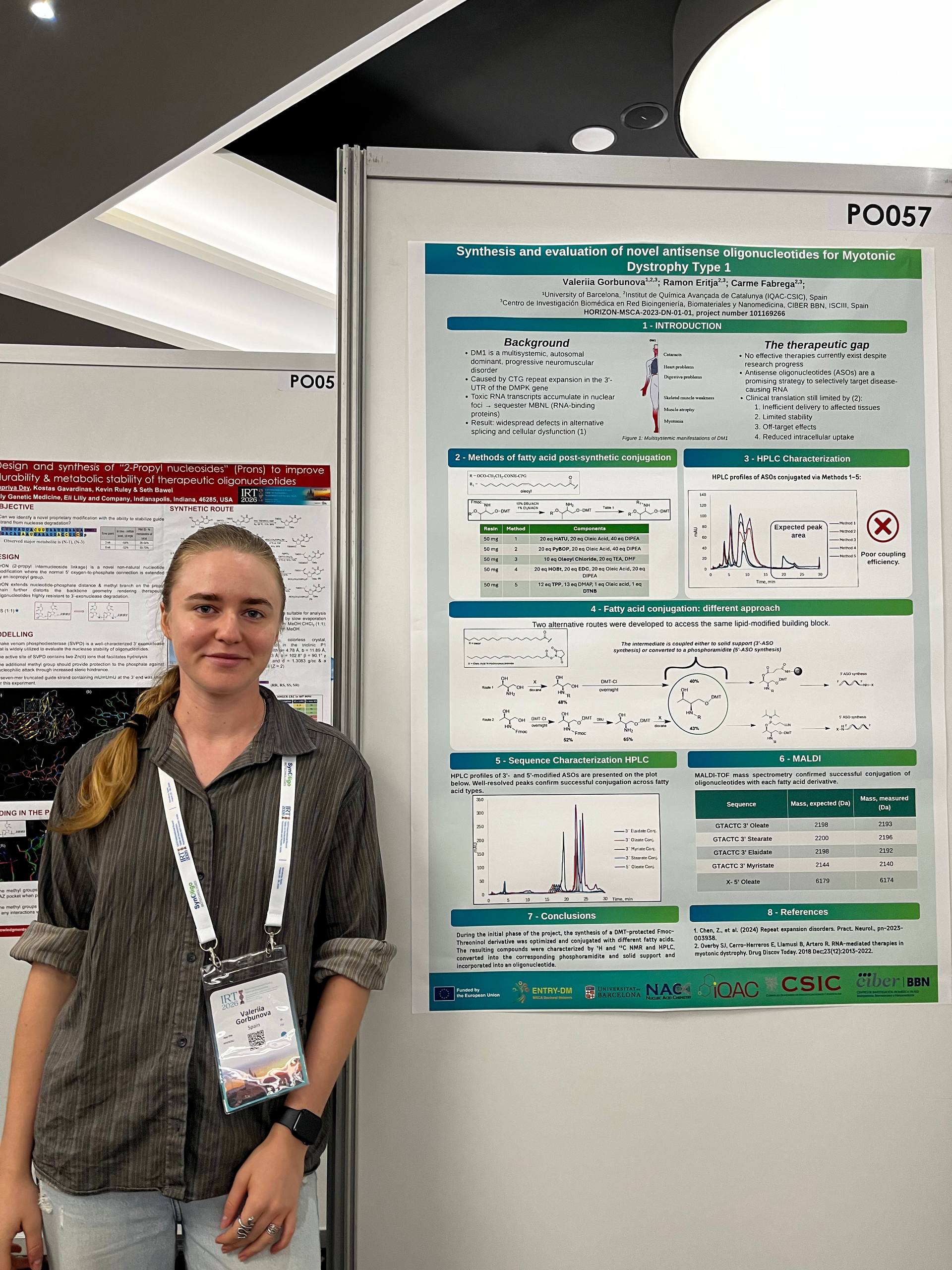
Preparation for the next experiment, involving the synthesis of oligonucleotides required for the upcoming secondment in September, was organized together with the supervisor. The first workshop of the Spanish Society of Myology, dedicated to muscle pathology, and the IDMC-15 Congress in Saguenay (Canada) were attended, providing the opportunity to connect with researchers in the DM field from around the world.
June 2026:
Several key antisense oligonucleotides (ASOs) were synthesized and will be biologically evaluated as the next step of the project. The Fifth Edition of the Nanomed CSIC Summer School, “The Medicine of the Future: Nanomedicine”, was attended in Santander (Spain). The course provided a broader knowledge of various nanostructures and delivery methods, which is directly relevant to the planned experiments on delivery strategies. A poster was presented at the IQAC Young Researcher’s Day organized by IQAC-CSIC, sharing the progress of the project and raising awareness of myotonic dystrophy among researchers from other fields.
July 2026:
The purification protocol was optimized and the ASOs synthesized in June were characterized. Several meetings were held with the group to discuss the next steps of the project, and a literature review was carried out. Preparation also began for the upcoming secondment in September at Arthex Biotech in Valencia (Spain).
August 2026:
The XXVI International Round Table on Nucleosides, Nucleotides and Nucleic Acids (IRT) was attended. On the first day, which was dedicated to the Young Research Symposium, a talk was given on the design and synthesis of ASOs for DM1 therapy. During the conference week, a poster showing the progress of the project was also presented. Immediately afterwards, the XIV Meeting on Nucleic Acids and Nucleosides (RANN XIV) was attended, where a further talk was given. This provided valuable feedback from researchers in the field of nucleic acids and an opportunity to become familiar with the projects of other colleagues.
September 2026:
The first planned secondment at Arthex Biotech in Valencia (Spain) began in order to receive training on the biological evaluation of the synthesized ASOs, both in vitro and in vivo. Several meetings were held with the supervisor to organize the stay, and cell culture was initiated. In addition, an online training on therapeutic biomarkers, organized by the ENTRY-DM consortium, was attended.
October 2026:
Practical work required to complete the license for animal experimentation was initiated under supervision. The first planned in vitro experiments were conducted to evaluate the efficiency of the ASOs synthesized in the lab. In addition, two online training courses organized by the ENTRY-DM network were attended, dedicated to bioinformatics and the responsible use of AI in the scientific community.
